

What to Eat in Vietnam: Region by Region
Show Image
Vietnamese food is often talked about as a single cuisine, but travelers who move from Hanoi to Hue to Saigon quickly discover it's really three cuisines sharing a border. Climate, history, and geography have pulled each region's cooking in a different direction: the cooler north favors subtlety, the historic center favors intensity, and the tropical south favors sweetness and abundance. Eating your way down the country isn't just a culinary tour — it's a way of tracing Vietnam's history through its markets and kitchens.
The North: Balance and Restraint
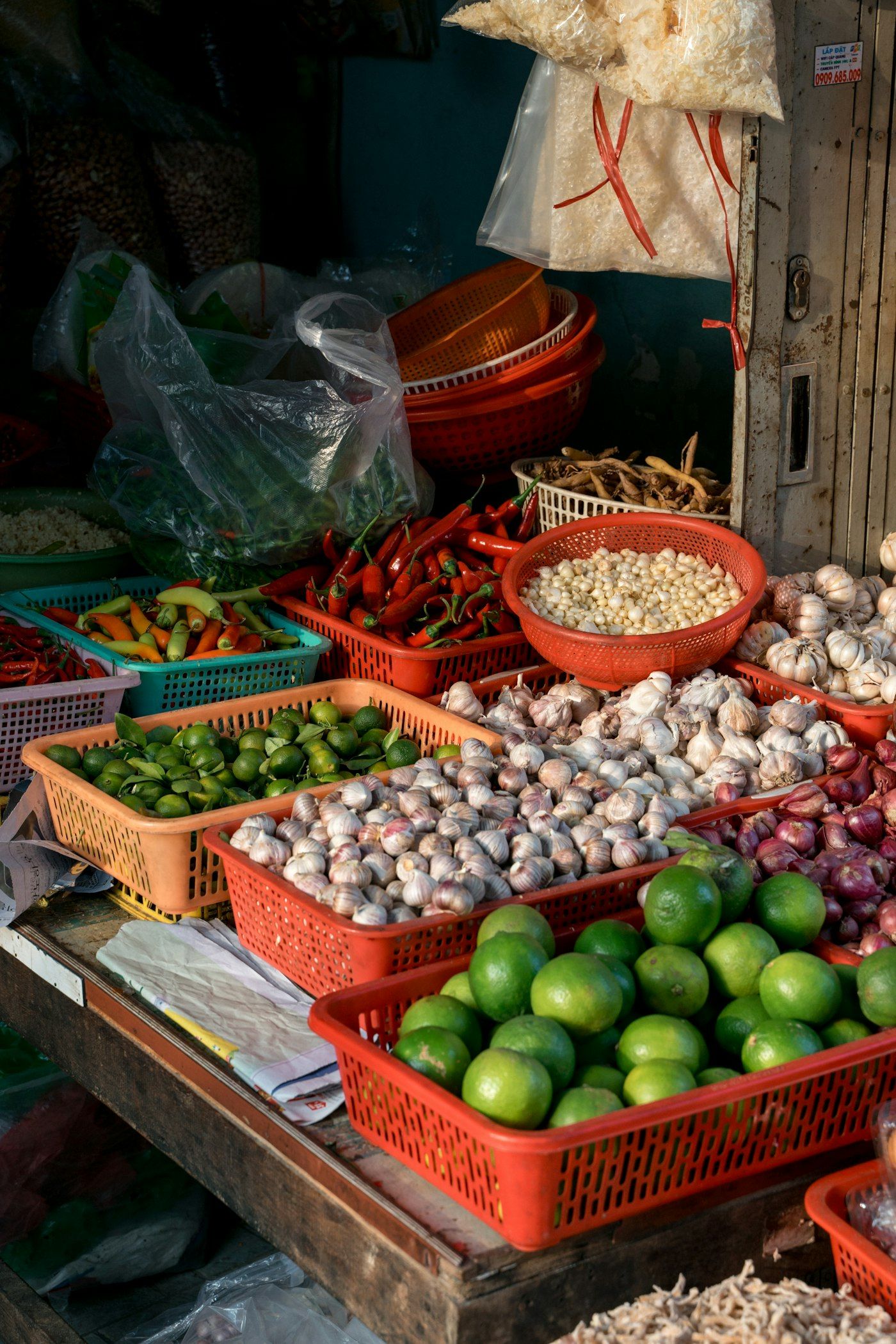
Northern Vietnamese food, centered on Hanoi, is defined by what it leaves out. Cooler weather historically limited the chilies and tropical produce common further south, so northern cooks lean on black pepper instead of heat, and let clear broths and fresh herbs carry the flavor rather than heavy seasoning. This is the birthplace of pho — a clear, deeply savory beef or chicken broth with rice noodles that's eaten any time of day. Alongside it sit bun cha, grilled pork patties served over rice noodles and herbs with a tangy dipping sauce; cha ca, turmeric-marinated fish fried tableside with dill and served over noodles; and Hanoi's famous egg coffee, a wartime invention from 1946 that whips egg yolk and condensed milk into a rich foam over strong coffee. Chinese culinary influence runs through the north's stir-fries and noodle dishes, a legacy of centuries of proximity and exchange.
Central Vietnam: Bold, Spicy, and Elaborate
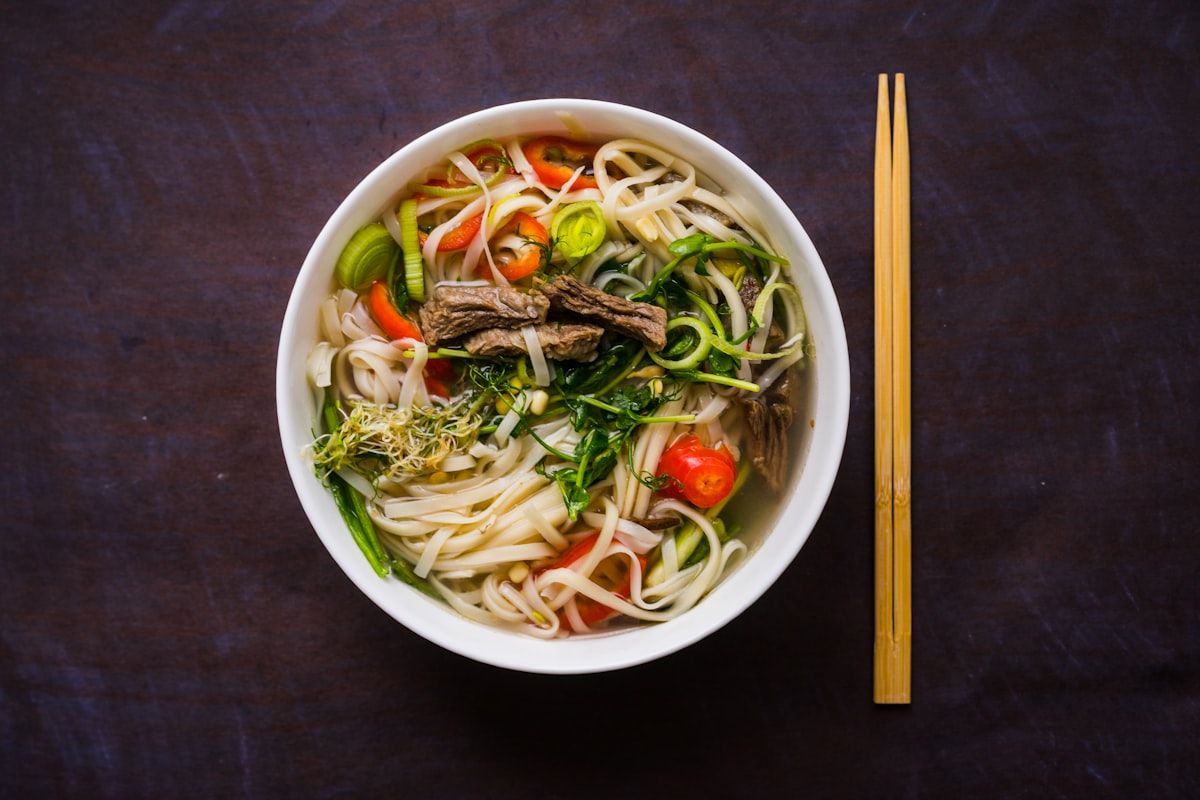
Central Vietnam flips the north's restraint on its head. This region — Hue, Hoi An, and Da Nang — cooks with far more heat, more herbs, and more visual flair, a legacy of Hue's role as the seat of the Nguyen Dynasty, where royal chefs plated elaborate, multi-dish meals for the imperial court. That tradition survives in bun bo hue, a fiery, lemongrass-and-shrimp-paste beef noodle soup with a distinctive red-orange broth, and in banh khoai, a sizzling turmeric pancake filled with pork, shrimp, and bean sprouts. Hoi An adds its own specialties found almost nowhere else: cao lau, a noodle dish made with water drawn specifically from the town's ancient wells, and white rose dumplings, delicate steamed parcels of shrimp topped with crispy fried shallots. And while banh mi is eaten everywhere in Vietnam, the version sold from Hoi An's market stalls — piled with pate, cold cuts, pickled vegetables, and fresh herbs inside a crackling baguette — is considered by many to be the country's best.
The South: Sweet, Abundant, and Layered
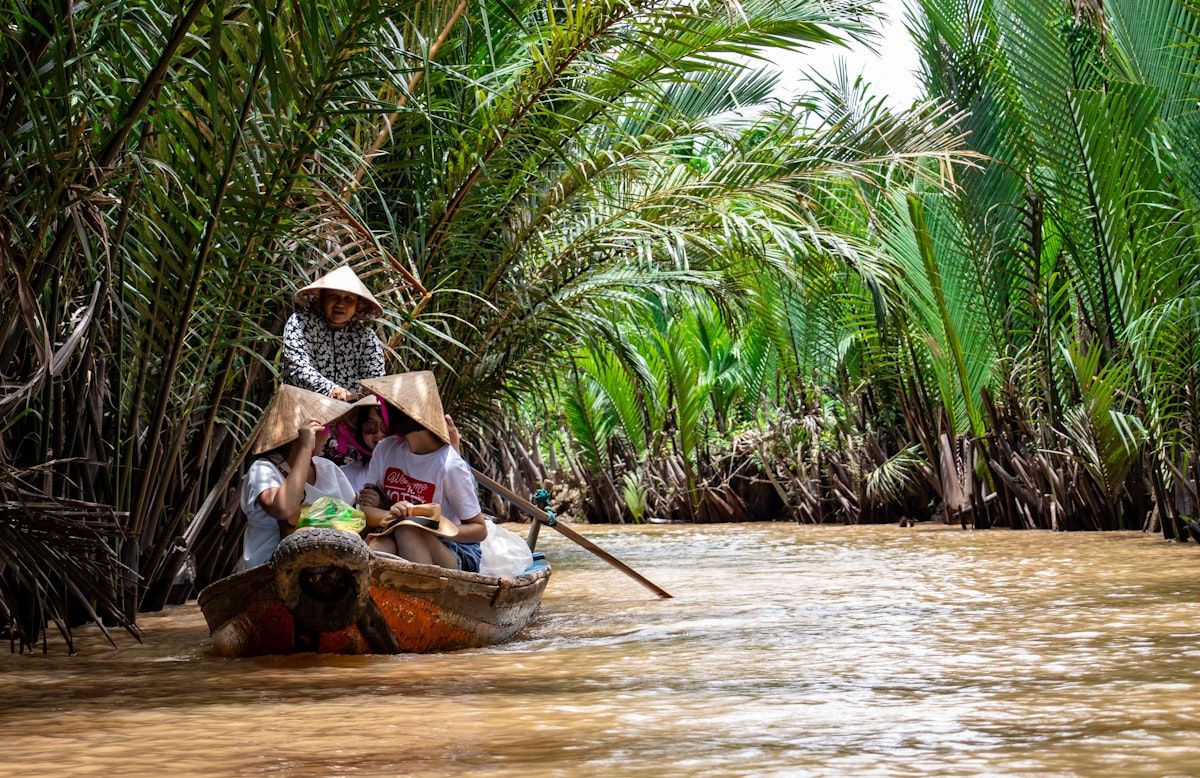
By the time the country reaches Saigon and the Mekong Delta, the flavors have turned distinctly sweeter and richer, shaped by the region's history of trade and proximity to Cambodia and Thailand. Sugar and coconut milk show up throughout southern cooking, and even pho changes character here, arriving with a heap of fresh herbs, bean sprouts, and lime that turn the broth cloudier and more aromatic than its clear northern counterpart. Com tam, broken rice topped with grilled pork, a fried egg, and pickled vegetables, is Saigon's everyday dish in the way pho belongs to Hanoi. Further into the Mekong Delta, the abundance of rivers and orchards shows up on the plate: canh chua, a tamarind-based sour soup loaded with fish, pineapple, and herbs, and hu tieu, a noodle soup with pork-bone broth found in countless variations across the delta's floating markets and roadside stalls.
Eating Your Way Through the Country
There's no single "best" Vietnamese dish, because the country was never cooking with one voice. A bowl of pho in Hanoi, a plate of bun bo hue in Hue, and a dish of com tam in Saigon are three different answers to the same question — what does this place taste like — shaped by climate, history, and the ingredients each region had on hand. For travelers, that variation is the real invitation: to eat with the itinerary, letting each stop introduce a cuisine that couldn't have come from anywhere else in the country.