


Best Time to Visit Vietnam: A Month-by-Month Guide
Vietnam stretches more than 1,600 kilometers from its mountainous northern border to the Mekong Delta in the south, crossing three distinct climate zones along the way. That single fact is the key to planning a trip here: there is no one "best" month for the whole country, only the best month for wherever you're headed. While the north cools into misty winters and the south stays warm and humid year-round, the central coast runs on its own rhythm entirely, with a typhoon season that can upend a poorly timed itinerary. Understanding how these three regions move through the year turns trip planning from guesswork into strategy.
Vietnam's Three Climate Zones
The north — Hanoi, Sapa, Ha Long Bay, Ha Giang — has four real seasons, with a cool, sometimes chilly winter from December to February and the most comfortable weather in spring (March–April) and autumn (September–November). The central coast — Hue, Hoi An, Da Nang — runs on a different clock, with a long dry season from February to August and a wet, storm-prone season from September to November. The south — Saigon, the Mekong Delta, Phu Quoc — is tropical and consistent, with a dry season from December to April and a rainy season from May to November defined by short, heavy afternoon downpours rather than washed-out days.
January
The year opens in the north's cool, dry winter — Hanoi sits in the mid-teens to low twenties, often under a soft grey mist that gives the Old Quarter an atmospheric hush. It's a strong month for Sapa's mountain scenery too, though peaks can turn genuinely cold. Central and southern Vietnam are firmly in their dry seasons, making January one of the most reliable months to combine all three regions in a single trip — this is also peak international tourist season, so book accommodation and flights early.
February

February usually brings Tet, Vietnam's Lunar New Year — the most important date on the cultural calendar, when the whole country decorates with peach and kumquat blossoms, families reunite, and cities empty out as everyone heads home. It's a striking time to be here culturally, but a tricky one logistically: many family-run restaurants and shops close for up to a week, transport books out weeks in advance, and prices spike. Weather-wise, February keeps the north cool and the center and south dry and comfortable.
March
Widely considered one of the two best months to visit Vietnam end to end. The north is warming out of winter into pleasant spring temperatures, the central coast is dry and beach-ready, and the south remains sunny with lower humidity than the months ahead. It's an ideal window for a classic north-to-south itinerary without weather compromises in any region.
April
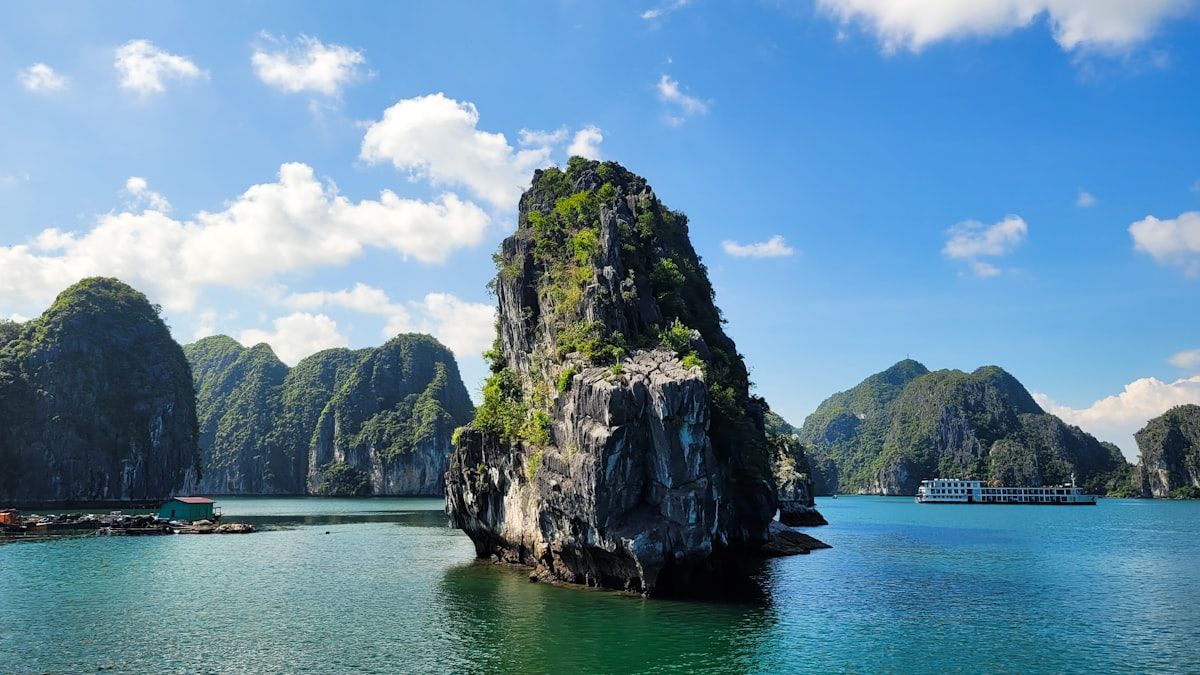
April continues March's momentum — arguably the single best all-around month, with warm, dry, stable conditions from Hanoi to Saigon. Ha Long Bay's seas are at their calmest for cruising and kayaking, and the central coast's beaches are in full swing before the summer heat and crowds arrive. Toward the end of the month, Reunification Day (April 30) brings a national holiday and a short but noticeable bump in domestic travel.
May
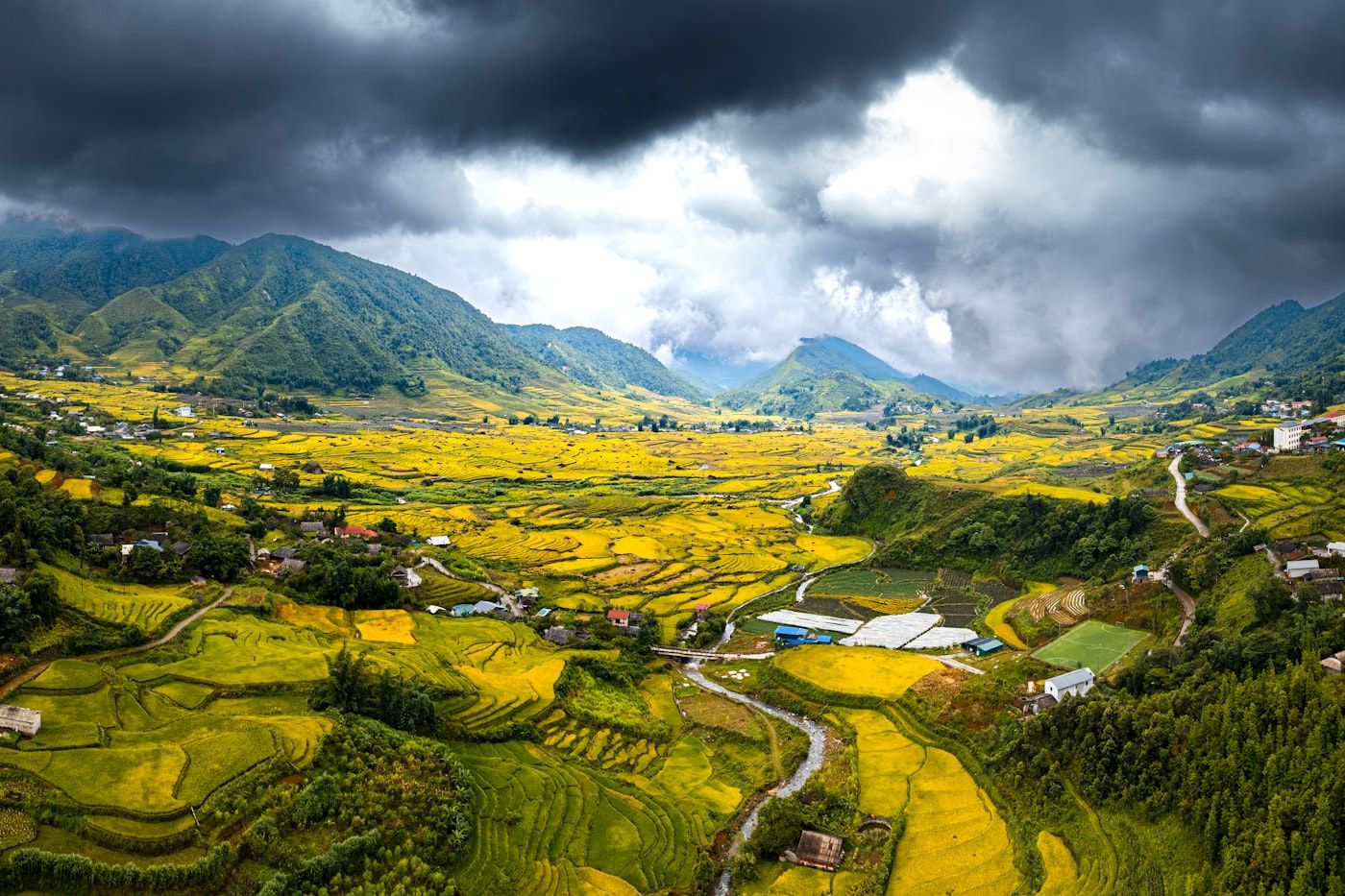
The mercury starts climbing everywhere. The north grows hot and increasingly humid, the central coast holds onto its dry season with rising temperatures, and the south enters the edge of its rainy season with the first short afternoon showers appearing. In Sapa's rice terraces, this is "mirror season" — the paddies are flooded ahead of planting and reflect the sky like sheets of glass, one of the region's most photogenic and least crowded windows.
June

Summer heat sets in across the north and center, and the south's rainy season is now fully underway, though rain typically arrives as brief, heavy bursts rather than all-day washouts. This is peak season for the central beaches around Da Nang and Hoi An, and it's also when Hue — held every two years — puts on its namesake festival of imperial-era performance and culture, if the dates align with your visit.
July
Hot and humid nearly everywhere, July is also the start of peak family travel season internationally, meaning higher prices and busier beaches from Ha Long Bay to Phu Quoc. It's a fine month for the central coast, where the dry season holds, but a wetter one for the south, and a hot one for city sightseeing in Hanoi or Saigon — mornings and evenings are the more comfortable windows for walking tours.
August
Vietnam's wettest stretch begins to build. Southern rains intensify, the north stays hot and increasingly stormy, and the central coast — while still technically dry-season — starts to see the first signs of the typhoon activity that will dominate the autumn. August is also the last reliably good month for Sapa's rice terraces before harvest, when the fields deepen from green to gold.
September

A month of transition and, in the north, real reward: early autumn brings clearer skies and cooler temperatures back to Hanoi and Sapa, where the rice terraces turn a brilliant gold in the final weeks before harvest — one of the most photographed sights in the country. The trade-off is the central coast, which now enters its riskiest window as typhoon season builds toward its peak, and the south, still deep in its rainy season. The Mid-Autumn Festival also falls in September, filling Hoi An's Ancient Town with lantern-lit boats on the Thu Bon River.
October
Typhoon season peaks on the central coast through October — Hoi An's Old Town floods most years as the Thu Bon River rises, and disruptions to trains, flights, and the Hai Van Pass are routine. This is a month to actively avoid Hue, Hoi An, and Da Nang unless you're prepared for the possibility of a washed-out itinerary. The north, by contrast, is in its autumn sweet spot — cool, dry, and clear — and Ha Giang's mountains turn purple-pink with blooming buckwheat flowers, drawing photographers to its famous loop.
November

Typhoon risk on the central coast tapers off through November, and by the back half of the month, Hoi An and Da Nang are usually back to reliably dry, pleasant conditions. The north remains a highlight — cool, comfortable, and increasingly popular as travelers catch the tail end of its best season. The south's rains are easing too, setting up the whole country to head into its most stable stretch of the year.
December
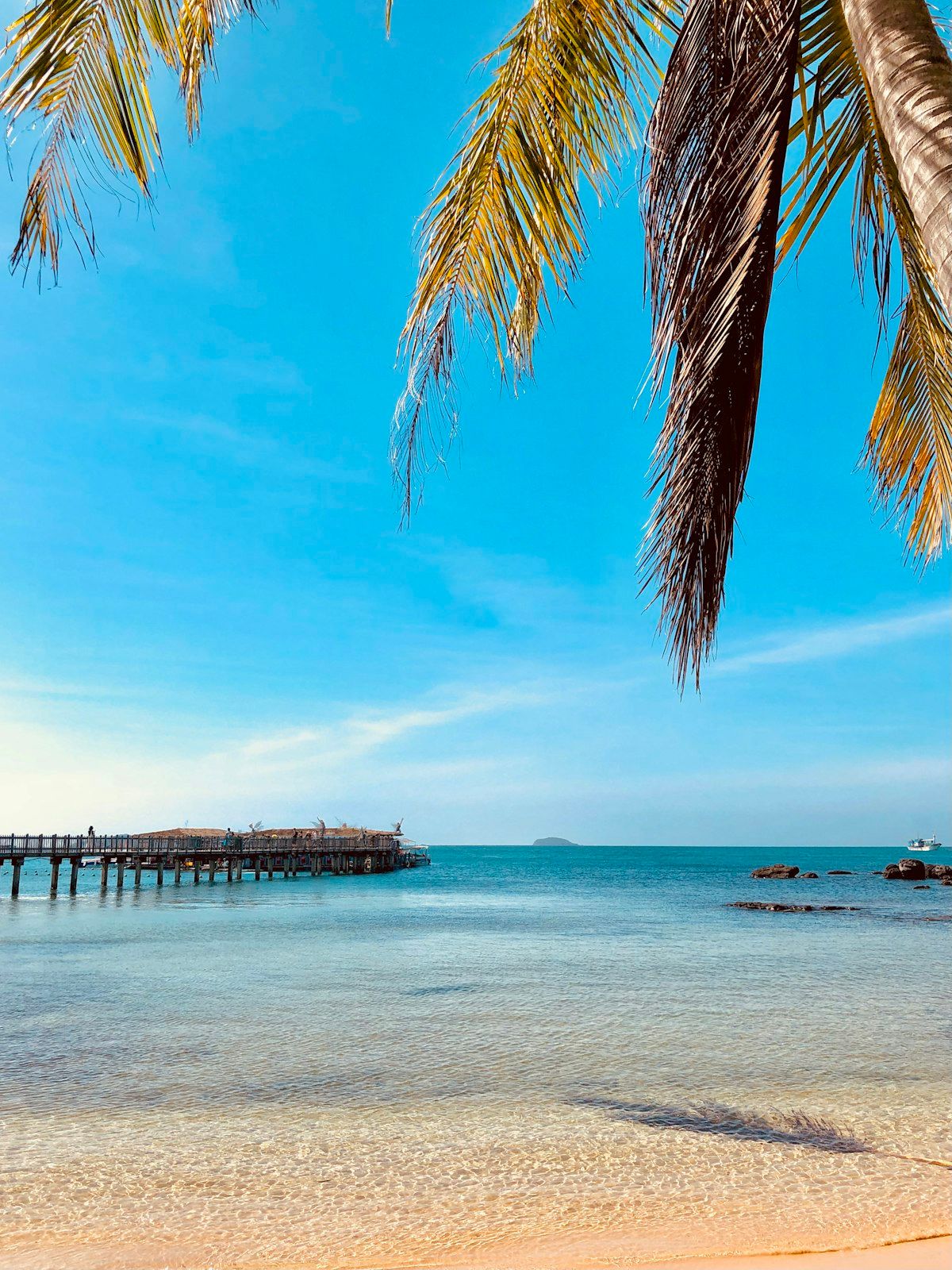
December closes the year with Vietnam at its most consistently dry and travel-friendly: cool in the north, comfortable and clear on the central coast, and settling into the south's dry season on islands like Phu Quoc and Con Dao. It's peak season for a reason — book resorts and flights well ahead, especially around the Christmas and New Year holidays, when both domestic and international travelers converge on the same dates.
Choosing Your Window
If a single trip needs to cover the whole country, March and April are the safest bets, offering good weather in the north, center, and south simultaneously. Travelers focused on one region have more flexibility: October through April rewards the north, February through August favors the central coast, and November through April is prime time for the south and its islands. And for those chasing a specific image — golden Sapa terraces in September, purple buckwheat fields in Ha Giang come October, or a lantern-lit Mid-Autumn night in Hoi An — timing the trip around that single moment can be worth planning the whole itinerary in reverse.